August 7, 2026
Large renovation projects often receive the most attention, but many improvements in energy performance begin with small corrections. A narrow gap in an attic, an underinsulated wall cavity, or a poorly protected crawlspace may seem insignificant on its own. Across an entire property, those weak points can allow conditioned air to escape, force equipment to run longer, and make rooms harder to keep comfortable.
Targeted insulation work addresses these overlooked areas without requiring the property to be rebuilt. An experienced insulation contractor can evaluate where heat transfer, air movement, moisture, or uneven coverage is affecting performance and recommend improvements suited to the structure. The result may be steadier indoor temperatures and lower utility costs over time.
Seal Small Air Leaks Before They Become Large Energy Losses
Unwanted air movement can undermine otherwise functional insulation. Gaps around framing transitions, wall cavities, attic penetrations, and other openings allow conditioned air to leave while outside air enters. These leaks may be small enough to escape notice, yet their combined effect can make a building feel drafty and inconsistent.
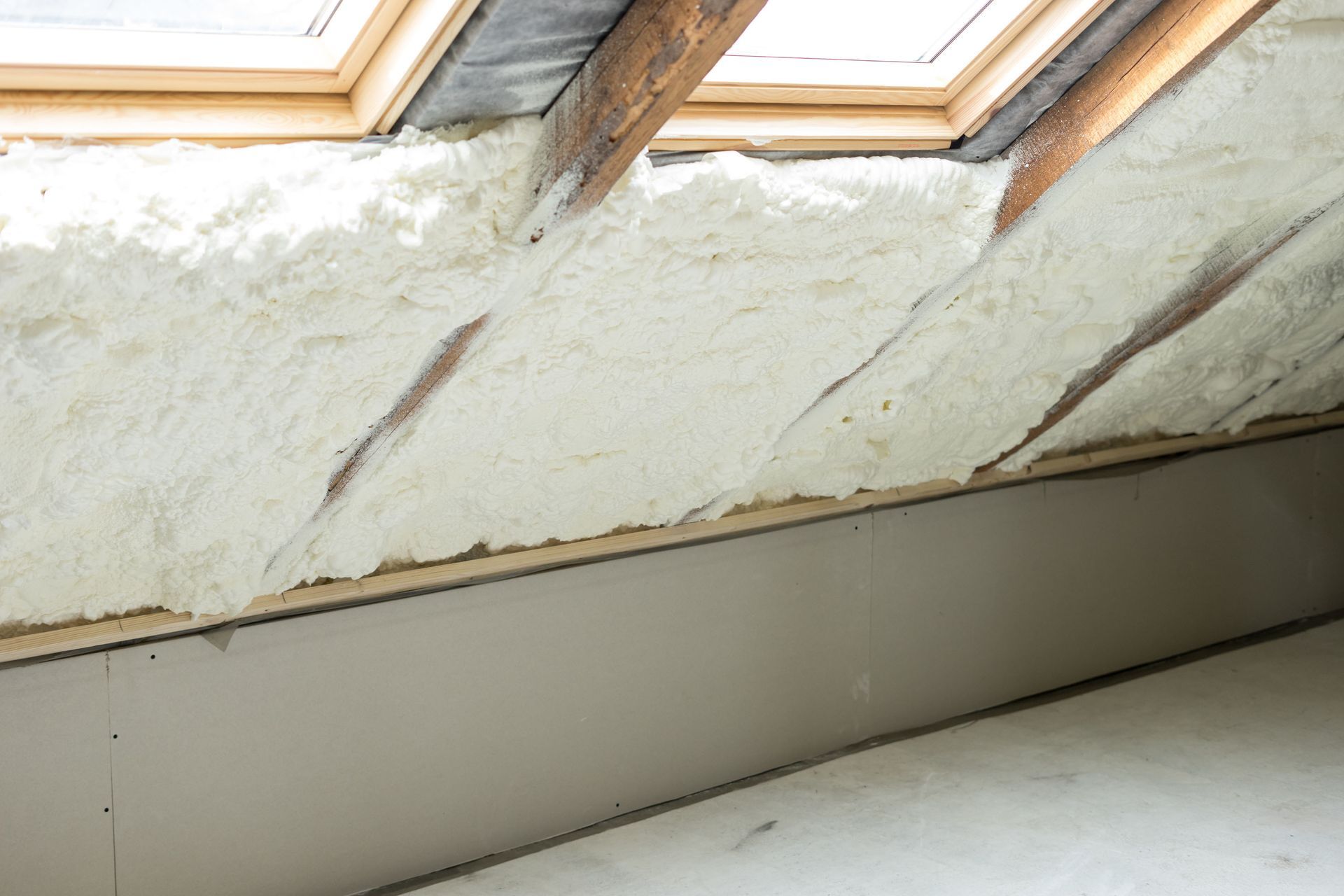
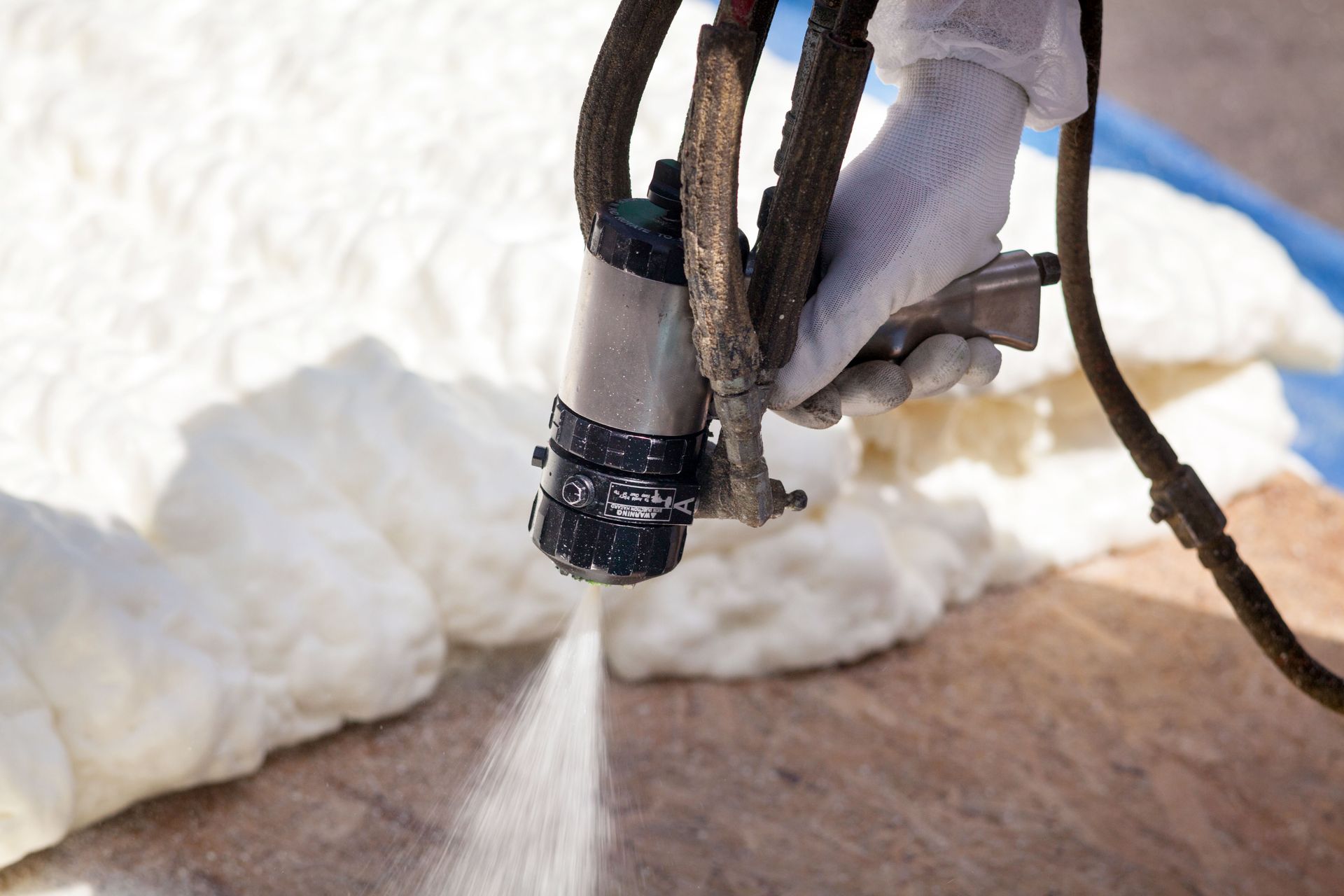
Spray foam can address air sealing and insulation in one application. Because the material expands into irregular spaces, it can help close gaps that traditional materials may not cover as completely. This creates a more continuous barrier that limits energy loss and supports steadier temperatures.
According to Future Market Insights Inc, proper air sealing can reduce heating and cooling costs by up to 15%. That figure shows why sealing small openings can produce a meaningful return. Rather than treating every comfort complaint as an equipment problem, property owners may benefit from asking an insulation contractor whether air leakage is contributing to unnecessary energy use.
Improve Attic Coverage Where Heat Transfer Is Often Greatest
The attic is one of the most important places to evaluate when utility costs rise or upper rooms feel difficult to regulate. Heat moves between conditioned rooms and the space above them, especially when insulation is thin, uneven, compressed, or missing in certain sections. Small gaps can create weak points across an otherwise insulated surface.
Blown-in insulation can be useful in attics because it spreads across broad areas and fills spaces around framing and irregular features. Fiberglass, cellulose, and spray foam may also be appropriate depending on the attic’s construction, existing materials, and performance needs. The objective is to create consistent coverage without leaving obvious thermal breaks.
An insulation contractor can assess whether the existing layer is performing as intended or whether removal, replacement, or added coverage would be more appropriate. Improving the attic barrier can help reduce temperature swings, limit heat loss in colder months, and reduce heat gain when outdoor temperatures rise.
Correct Crawlspace and Basement Weaknesses
Lower areas of a property can influence the comfort of every floor above them. An uninsulated crawlspace may contribute to cold floors, moisture concerns, and air movement through gaps in the structure. Basements can present similar problems when walls, framing, or moisture-prone areas lack appropriate protection.
Crawlspace insulation may include materials selected for damp conditions, along with moisture barriers that help limit unwanted moisture movement. Basement insulation may use moisture-resistant materials and vapor barriers to reduce condensation while supporting a more stable indoor environment. These improvements can affect comfort across a much larger portion of the building.
The correct approach depends on the area’s condition. Installing new insulation over damaged, wet, or contaminated material can conceal the source of the problem. A qualified insulation contractor can evaluate whether existing insulation should remain, be removed, or be replaced before new materials are installed.
Replace Damaged or Poorly Performing Insulation
Insulation does not always perform indefinitely. Moisture, pests, compression, incomplete coverage, and deterioration can reduce its effectiveness. In some properties, the original material may also have been installed unevenly or may no longer match current comfort and efficiency goals.
Removal creates an opportunity to inspect the exposed space, clean the area, and prepare it for a more effective replacement. It can also reveal moisture damage, pest activity, or gaps hidden beneath the old insulation. Addressing those conditions first helps prevent the new material from inheriting the same weaknesses.
Replacement should reflect the needs of the specific area rather than relying on one material throughout the property. Fiberglass may suit certain walls or open framing, blown-in products can cover irregular spaces, and spray foam may be selected where air sealing is a major concern. An insulation contractor can compare these options according to the structure, budget, and desired performance.
Strengthen Walls and Garages Without Major Reconstruction
Walls account for a substantial portion of a building’s exterior surface, yet they may contain inconsistent insulation or gaps around framing. Correcting these weaknesses can improve comfort in rooms that feel unusually hot, cold, or drafty. In existing properties, wall insulation methods can often be selected to limit disruption while improving thermal performance.
Attached garages also deserve attention because their walls and ceilings may border conditioned living spaces. Poor coverage in these areas can allow temperature extremes to affect nearby rooms. Insulating garage walls, ceilings, and doors with suitable materials can help regulate those transitions.
These improvements are modest, but they address the building envelope directly. Working with an insulation contractor helps connect wall or garage work to the larger performance of the property instead of treating each uncomfortable room as an isolated problem.
Match the Material to the Space
Insulation materials perform differently depending on where and how they are installed. Fiberglass batts or rolls require careful placement so gaps and compression do not reduce thermal resistance. Blown-in insulation needs even distribution and appropriate density. Cellulose can provide thermal performance and sound dampening while using recycled paper treated with fire-retardant chemicals.
Spray foam provides insulation and air sealing in a single application, making it useful in irregular spaces and locations where unwanted air movement is a concern. Moisture-resistant products and vapor barriers may be more suitable for basements or crawlspaces. The strongest result comes from selecting the material according to the conditions rather than assuming one option belongs everywhere.
Installation quality matters as much as product choice. Uneven distribution, missed cavities, compressed batts, and incomplete sealing can leave weak spots that reduce the expected benefit. A professional assessment helps align material type, coverage, and installation technique with the area being improved.
Reduce Utility Waste Without Overcorrecting
Improving energy efficiency does not always require replacing every layer of insulation in a property. In some cases, a focused repair, added coverage, or better air sealing may resolve the main source of waste. In others, widespread deterioration may make removal and replacement the more practical decision.
A careful evaluation helps distinguish between these situations. Property owners can then direct their budget toward the areas most likely to affect comfort and energy use. This avoids unnecessary work while still addressing the structural weak points that allow utility costs to climb.
The same principle applies to commercial buildings. Larger spaces, varied construction materials, and different usage patterns can create specific insulation demands. Targeted improvements can reduce disruption while supporting more stable conditions for employees, customers, equipment, or stored materials.
Tiny gaps, thin attic coverage, unprotected lower levels, and damaged insulation may not look dramatic, but they can influence the way an entire building performs. Correcting these weaknesses can help stabilize indoor temperatures, reduce drafts, manage moisture, and limit energy loss. The greatest return often comes from identifying the right area rather than making the largest possible change.
Foam Brothers Insulation is proud to provide installation, removal, and replacement services for homes and businesses. Get in touch with us to learn more!